Discover Muldrow Roofer for Professional Roof Care
Discover Muldrow Roofer for Professional Roof Care
Blog Article
Trusted Roof Specialist Offerings for Strong and Dependable Roof Services
A trusted roofing contractor plays an essential role in guaranteeing the longevity and dependability of a home's roofing system. Property owners must evaluate various factors when choosing a roof specialist. By learning about roofing materials to assessing contractors' qualifications, each component leads to a effective job. Yet, many homeowners remain unsure about where to begin. Finding the correct strategy can significantly impact both aesthetics and financial security. What steps should one follow to navigate this complex process?
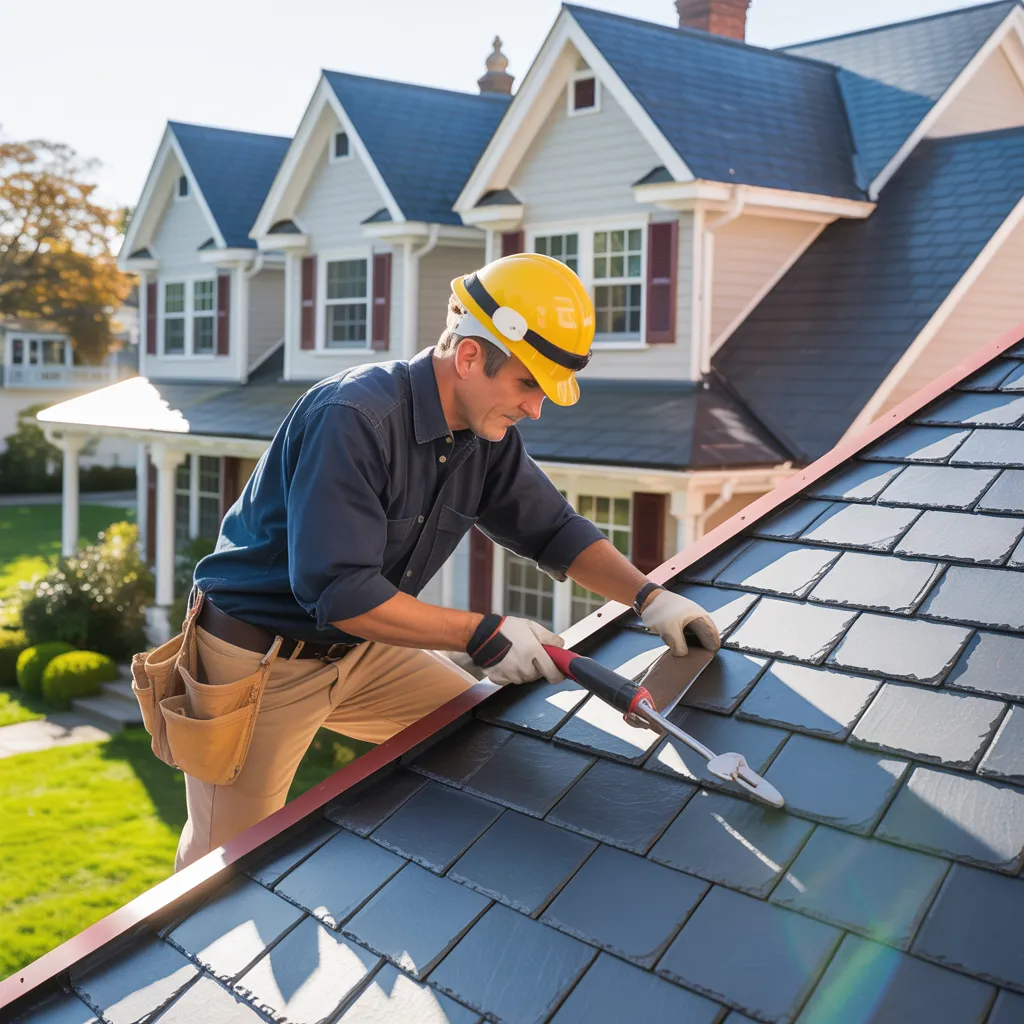
What to Search for in a Reputable Roofer
When selecting a trusted roofer, what important characteristics should one focus on? First, experience is crucial; an established roofer with years of work demonstrates dependability and skill. It's important to verify their credentials and coverage, as this safeguards homeowners from possible risks. Moreover, a reputable roofer should offer guarantees on both materials and workmanship, indicating confidence in their services.
Another crucial aspect is dialogue. A trusted roofer should be attentive and transparent, offering comprehensive quotes and timelines. Reviews and references from previous clients can provide information into their reliability and caliber of craftsmanship. Furthermore, knowing local building codes and regulations is essential, as adherence guarantees protection and lawfulness. Ultimately, a commitment to using premium materials reflects a roofer's dedication to durable results. By prioritizing these key characteristics, homeowners can take informed decisions when choosing a roofing contractor.
Which Roofing Solutions Work for Your Requirements?
Picking the ideal roof alternative can be an intimidating endeavor, as numerous options and styles fulfill varying requirements and desires. Homeowners should examine aspects including climate, spending limit, and visual appeal when determining a roofing system. Asphalt shingles are well-liked because of their affordability and uncomplicated setup, making them suitable for numerous home properties. Steel roof solutions, recognized for its strength and thermal efficiency, draws in people desiring lasting durability.
If you prefer a traditional appearance, wood shakes or tiles deliver natural beauty but may require more maintenance. Slate and clay tiles provide exceptional longevity and are perfect for upscale homes, although they can be more expensive.
Ultimately, the proper roofing selection depends upon specific conditions, accounting for local building codes and personal choices. Working with a reputable roofer can help homeowners work through these selections, making certain they decide on a roofing approach that fulfills their particular needs while improving the overall worth of their property.
The Key Importance of Quality Roofing Materials
Choosing the right roof choice is only the beginning; the quality of roofing materials plays a substantial role in the overall functioning and durability of a roof. High-quality materials, such as asphalt shingles, metal, or slate, provide enhanced durability and resistance to environmental factors. They can endure extreme weather conditions, decreasing the frequency of repairs and replacements.
Investing in high-quality materials can generate enhanced energy efficiency, as they often include enhanced insulation properties. This not only enhances pleasantness within the home but can also reduce energy bills over time. Additionally, premium materials typically come with extended-term warranties, offering homeowners reassurance regarding their investment. Choosing quality roofing materials ultimately secures that a roof remains operational and aesthetically pleasing for years, preserving the property's value. Therefore, understanding the significance of material selection is vital for anyone considering a roofing project.
Reviewing Your Roofing Contractor's Certifications
A detailed evaluation of a roofing contractor's credentials is crucial for guaranteeing a effective roofing project. Homeowners should begin by validating licenses and insurance to defend themselves from liability in case of accidents. Checking for industry certifications can also indicate a contractor's commitment to quality and ongoing education in roofing techniques and materials.
Additionally, reviewing past projects and customer testimonials provides understanding into the contractor's work quality and reliability. It is recommended to request references and to check in with previous clients about their feedback. Moreover, understanding the contractor's warranty terms can shed light on their belief in their work and the materials employed.
At last, evaluating the contractor's experience in the specific type of roofing required can further direct homeowners in making an well-informed decision. By thoroughly evaluating these qualifications, homeowners can choose a trustworthy contractor and ensure a durable roofing solution.
Developing a Financial plan for Your Roofing Project
Developing a budget for a roofing project requires careful planning and evaluation of various factors that influence overall costs. Homeowners should begin by evaluating the type of roofing materials desired, as prices can vary greatly between asphalt shingles, metal roofs, and tiles. Labor costs also play an important role; obtaining multiple quotes from licensed contractors can help ensure competitive pricing.
Additionally, it is important to factor in potential unforeseen costs, such as repairs to underlying structures or the permit requirements. A contingency fund of about 10-20% of the complete budget is advisable to address these unexpected charges. Residents should also consider the timing of their work, as seasonal changes can affect labor availability and costs of materials. By precisely calculating these aspects, homeowners can create a realistic budget that provides for both necessary expenses and any additional features they may desire to add in their roof discover more work.
Regular inspections Are essential
Regular inspections play a crucial role in extending the lifespan of a new roof. Conducting these inspections at least twice a year helps detect potential issues before they progress. Experienced specialists can assess the roof's condition, looking for signs of wear, tear, or damage caused by environmental factors. Additionally, examining gutters and downspouts guarantees proper drainage, which is essential for preventing water accumulation. Homeowners should also consider seasonal inspections, especially after severe weather events. By focusing on regular inspections, property owners can maintain their roofs efficiently, making sure they remain durable and reliable over time. This proactive approach not only boosts the roof's longevity but also secures the overall integrity of the home.
Quick Fixes Avoid Damage
After conducting routine inspections, addressing necessary repairs promptly is vital to maintain a new roof's integrity. Roofs experience wear due to various environmental factors, and even small issues can develop into major damage if ignored. Timely repairs can prevent leaks, mold growth, and structural deterioration, thus extending the roof's life. Homeowners should make fixing loose shingles, damaged flashing, or clogged gutters immediately after spotting them. Furthermore, seasonal weather changes may worsen existing problems, making swift action more important. By making sure repairs are done promptly, homeowners both safeguard their investment and improve the overall safety and comfort of their homes. Regular maintenance and quick response are key to a effective roofing solution.
Regularly Posed Questions
What Length of Time Does a Typical Roofing Project Require to Finish?
A typical roofing project generally requires between one to three weeks to complete. Elements influencing the duration encompass the size of the project, atmospheric factors, and the complexity of the roof structure being installed or repaired.
Which Warranties Exist for Roofing Solutions?
Different warranties are accessible for roofing services, such as material warranties, workmanship warranties, and extended coverage options. These warranties typically last between five to twenty years, determined by the materials and contractor agreements involved in the project.
Is It possible to remain in My Home During Roof Installation?
Homeowners are able to commonly stay in their homes during roof installation, but it depends on the project's scale and noise levels. Contractors routinely recommend on safety and comfort, suggesting temporary relocation if warranted.
What Role Do Weather Conditions Play in Roofing Work?
Weather factors significantly affect roofing work; rain can cause delays and safety hazards, while extreme heat may impact materials. Wind can hinder installation, demanding careful consideration to guarantee quality and safety during the process.
What Could I Do if I Detect Moisture Damage After Placement?
After identifying leaks following installation, the homeowner should promptly contact the roofing contractor for an assessment. Photographing the issue with photos and notes can assist in resolving the problem efficiently and guarantee proper repairs.
Report this page